How SEO formed website strategy & structure for a homebuilder

Charli
Marketing Manager
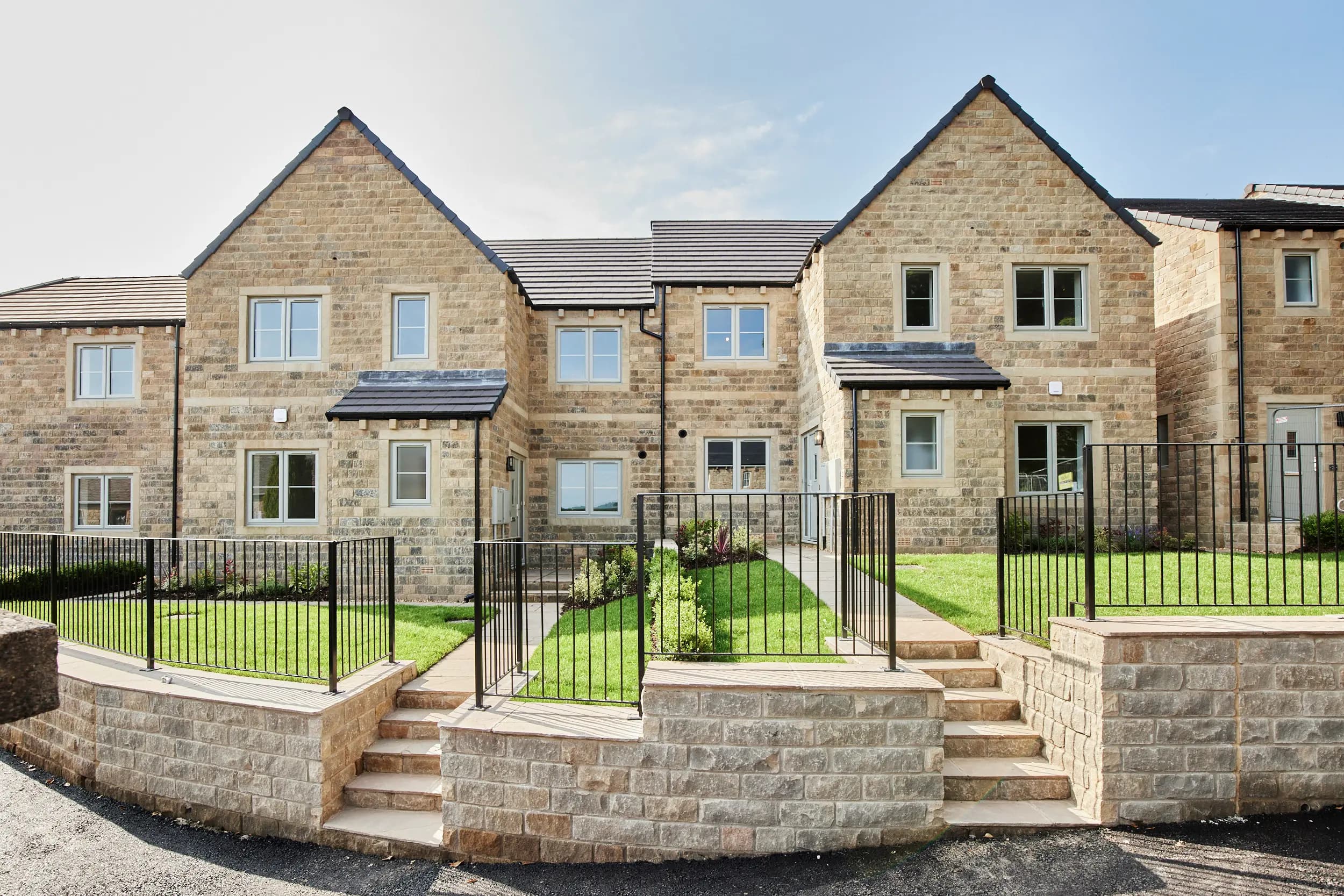
For Verity & Co Homes, telling the story of their brand with family, quality and thoughtful detail at heart was the key driver for the website project. But of equal importance was what was going on behind the scenes, and how structuring the site with SEO in mind would help them achieve their wider objectives; specifically selling more houses off plan.
In this post, learn about how SEO shaped parts of the website project for Verity & Co, including:
- Designing and developing functionality that can support SEO initiatives
- Managing transition to a new brand name and domain
- Supporting during and after go-live to ensure the project hit the ground running
Background
Verity & Co was founded as Skipton Properties by Brian Verity in Yorkshire in 1986. To celebrate 40 years in business as well as evolve their identity to better reflect where they are on their journey, they were looking to launch a new website along with their new brand. This bold change in direction brought with it several key considerations, with design and user experience of course being at the core. However, with an established organic presence on both a local and regional level, taking steps to protect and grow this presence was also a key part of the project.
To ensure this was prioritised, time and resource during discovery, design, build and launch were dedicated to understanding the current search landscape for Verity & Co, shaping the SEO and content strategy and executing functional and technical actions to set the website up in the right way.
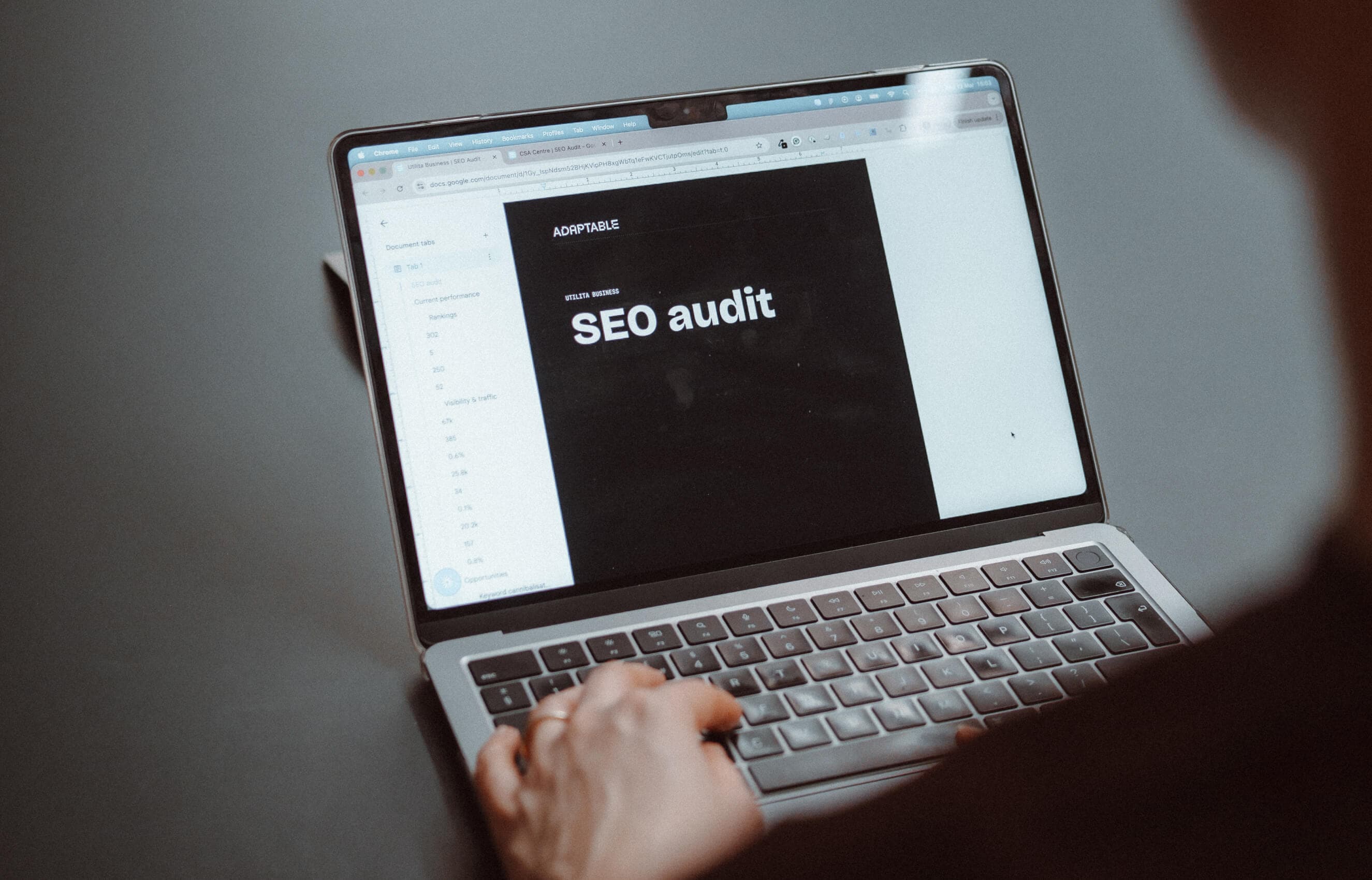
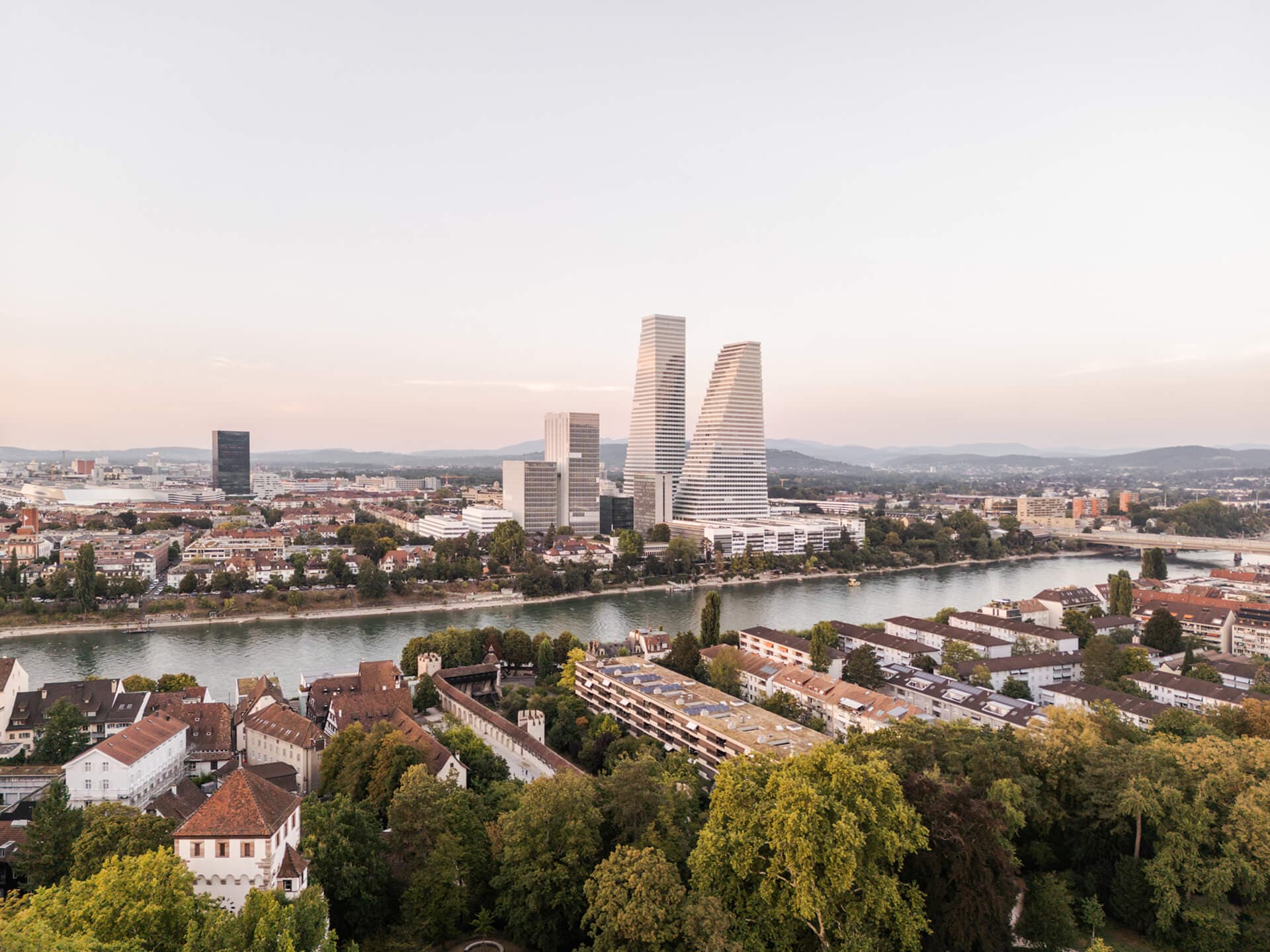
Learn more about our overall SEO audit process in this post about our project with the Basel Area.
SEO objectives
Through reviewing and auditing the current landscape and opportunities, including their current rankings, competitors, and other requirements set out during discovery, we identified the following as key objectives for SEO as part of the new website project:
- Expand organic presence on a regional level (Yorkshire/Lancashire)
- Maintain authority and presence for past/completed developments
- Ensure transition from existing to new domain and brand name is as smooth as possible
Each of these came with recommendations for the structure of the website, content strategy and migration plan.
Unlocking new opportunities
Verity & Co’s previous website had a strong organic presence for local keywords; ranking well for queries related to new homes in areas they had active or former developments. Through our initial audit we identified the opportunity to target more general, regional keywords, for example, “new homes north yorkshire”.
To address this opportunity, we recommended using the flexible components we would design and develop as part of the design system for the website to build out landing or “hub” pages for regions or counties, bringing together and showcasing developments and specific plots in those locations. Reusable blocks with text, imagery and other media could be used to include optimised copy and information about the region. Dynamic blocks could then be used to pull in developments and plots along with pricing and availability.
Harnessing existing authority
During the discovery phase, our team discussed with the client challenges with the existing website and what would happen with developments that had “completed” (i.e. all plots sold). During the period when properties were available, development pages would build up a considerable level of authority and visibility for localised keywords. Once the development was closed, it would be removed from the website and redirected to the most logical current development (e.g., the one closest geographically). This meant that not only was visibility or authority for keywords often lost, it also meant potentially creating long redirect chains as time went on (developments keep being redirected to new ones).
In order to address this, we proposed having a “past developments” taxonomy, so that when developments were completed, they could be switched over in the backend. It would be made clear on the frontend to the user that they were completed, but the developments would remain visible and indexable to search engines, enabling Verity & Co to continue benefitting from rankings and traffic for related keywords. Once users arrive on the site, they could then be signposted to current developments.
Managing migration
Moving to a brand new website and domain always carries a risk of destabilising organic performance, so carefully migrating content and mapping old URLs to new ones is also a vital part of any website project. New hierarchies and changing URL structures mean that you need to ensure content migration is seamless, and valuable pages and associated ranking aren’t lost. In this particular project, there was additional complexity as they were moving to a new domain and brand name. Prior to the project going live, we logged every URL on the previous site and mapped each one to a URL on the new site, including developments, plots, blog posts, and about pages. Redirects were then added to the development site. In addition to the technical work we did, we also provided strategic guidance on building authority on the brand new domain, recommending digital PR campaigns, backlink opportunities and citations.
Impact
As the brand new domain still builds authority and search engines continue to crawl and process the structure of the new site, rankings and traffic are still building. There has however been some early signs that our efforts on the new website project have had a positive impact on the Verity & Co’s organic presence.
- 68% increase in organic click-through rate
- 8% increase in average ranking
Want to launch a website project that’ll hit the ground running when it comes to SEO? Get in touch to find out how we could help.
Related Posts